Sanitary Valve Surface Finish, Pressure & Temperature Limits: Technical Guide
Sanitary Valve Surface Finish, Pressure & Temperature Limits: Technical Guide
When a sanitary valve is specified correctly, four parameters must agree: the surface finish on the product-contact surface, the pressure rating at the ordered size, the temperature limit of the selected seal, and the size and connection convention used by the supplier. For the ball-valve range in this guide, the stated values are Ra 16–32 µin (0.4–0.8 µm) electropolish, 10 bar for DN25–DN100, 8 bar for DN125–DN150, -20 to 150°C, and 1/2–6 inch. For the butterfly-valve range, the stated values are 0–10 bar, inner surface 0.4–0.8 µm, outer surface 0.8–1.6 µm, VMQ seal -50 to 180°C, and EPDM seal -20 to 135°C.
Qili Holding Group (Qili Holding Group) manufactures stainless steel sanitary valves and fittings for pharmaceutical, food and beverage, dairy, beer, biochemical, and liquid-cooling applications. This guide is written for engineers, procurement teams, and OEM buyers who need to turn those numbers into a clear RFQ. It focuses on sanitary ball valves and sanitary butterfly valves; it does not assign ratings to sanitary check valves, diaphragm valves, pneumatic valves, or sampling valves, which require their own specification data.
Problem definition: why sanitary valve limits are often misread
A common specification error is not a missing number; it is a number without its subject and condition. A line item that says “Ra 0.4 µm” does not say whether the requirement applies to the wetted surface, the external surface, or a test coupon. “10 bar” does not say whether the rating applies to DN25 or DN150. “150°C” does not say whether it is a body limit or a seal limit. When these details are separated, the supplier and the buyer can both believe they are discussing the same valve while ordering different configurations.
For sanitary service, the error has practical consequences. Surface finish is linked to cleanability and residue retention; pressure rating is linked to mechanical design and size; temperature rating is often controlled by the elastomer; and size and connection conventions govern whether the valve fits the line. None of these can be safely inferred from a valve-family name alone.
The specification problem becomes sharper when two valve types are quoted together. A ball valve and a butterfly valve may both be called “sanitary,” but their stated pressure, finish, and temperature data are not interchangeable. This guide keeps them separate and shows how to read each set of limits.
Industry background: where finish, pressure, and temperature limits matter
Sanitary valves are used where the process line must be cleaned and maintained without creating a hidden retention area. In pharmaceutical and biopharmaceutical service, hygienic design, material traceability, and documented compliance are central. In food, dairy, and beverage service, cleanability and compatibility with cleaning cycles are central. In liquid-cooling loops for data centers, leak integrity and surface condition in the fluid path are central. The same specification discipline applies, but the acceptance criteria are not identical.
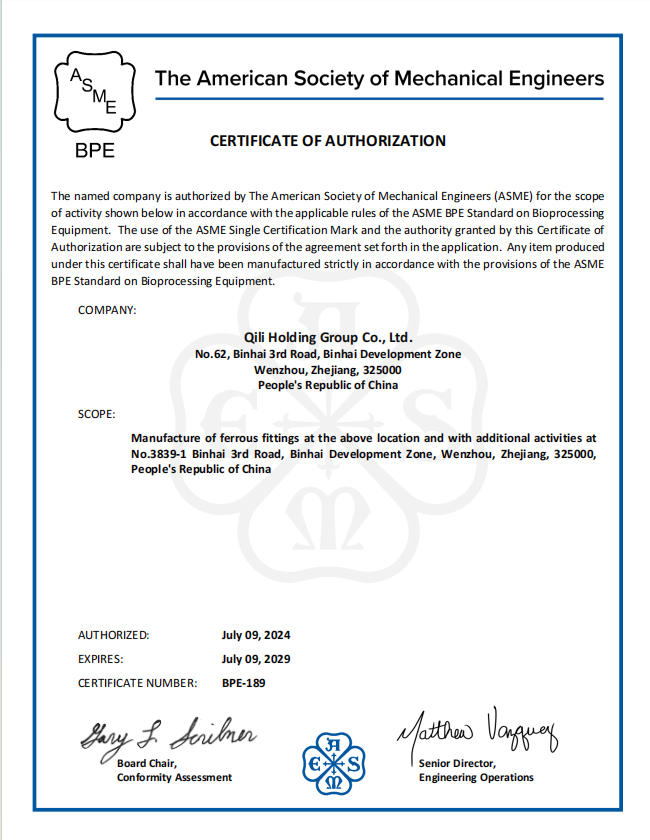
The standards environment explains why the paperwork matters. Qili’s compliance file includes a 3-A Sanitary Standards certificate 3893 under standard 33-03 with an expiry date of 2026-12-31, an ASME BPE Certificate of Authorization BPE-189 valid through 2029-07-09, and an IECQ QC 080000:2017 certificate IECQ-H NQA 26.0139 valid through 2029-08-16. These documents support a qualification review; they do not replace a model-by-model check of certificate scope, size, and surface requirement.
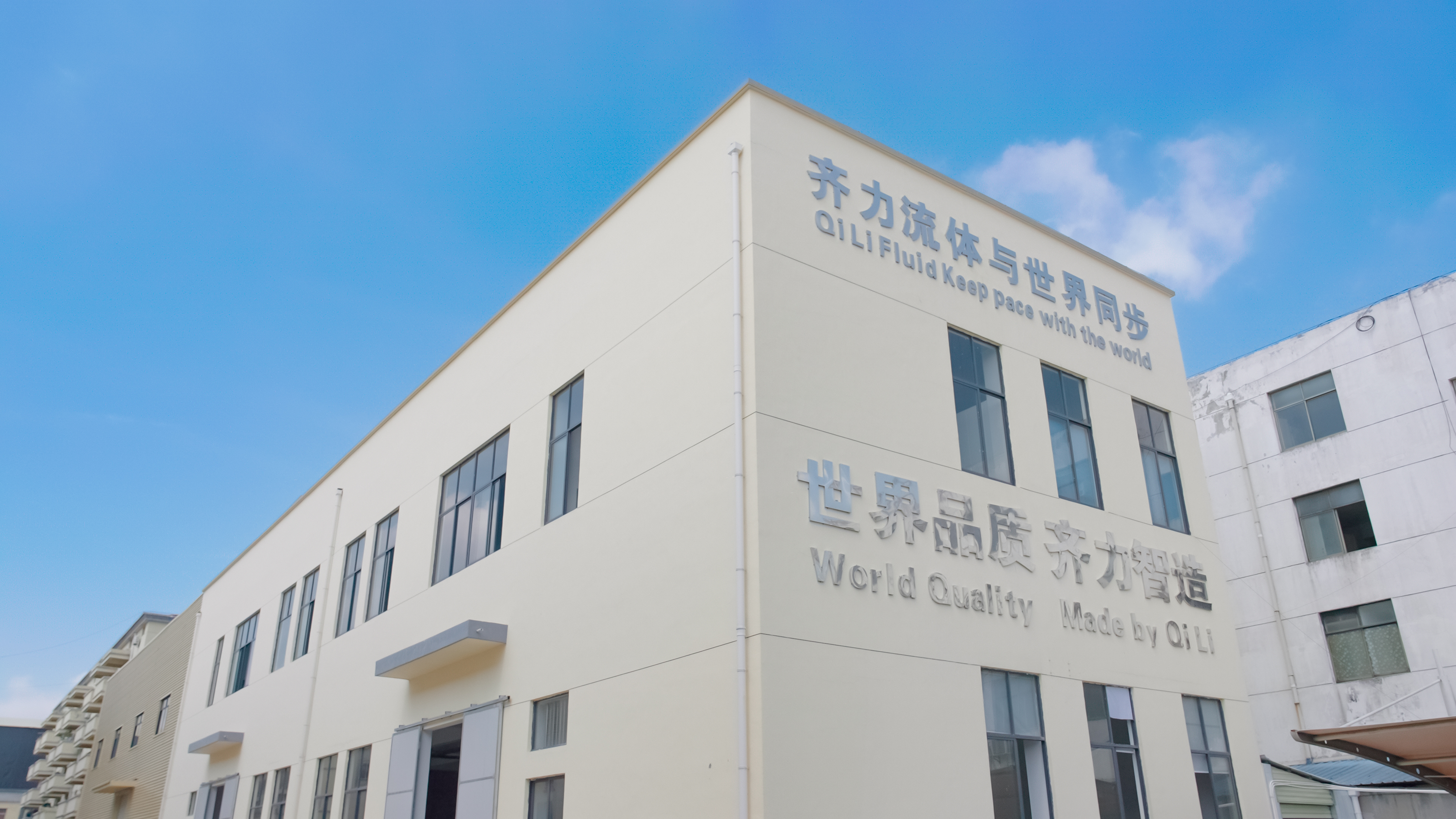
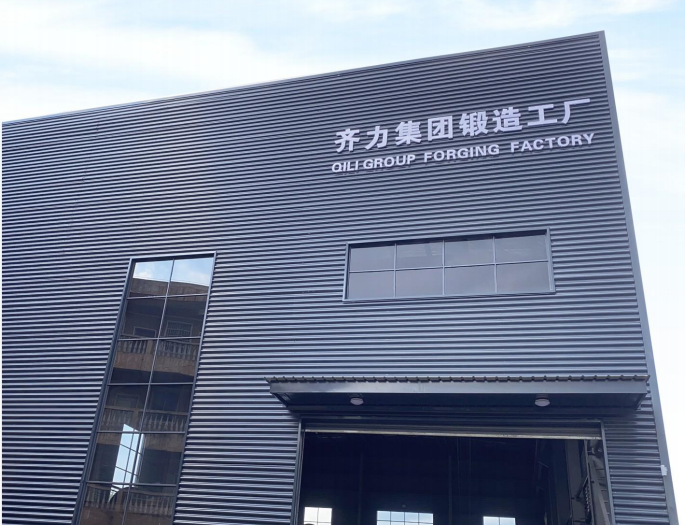
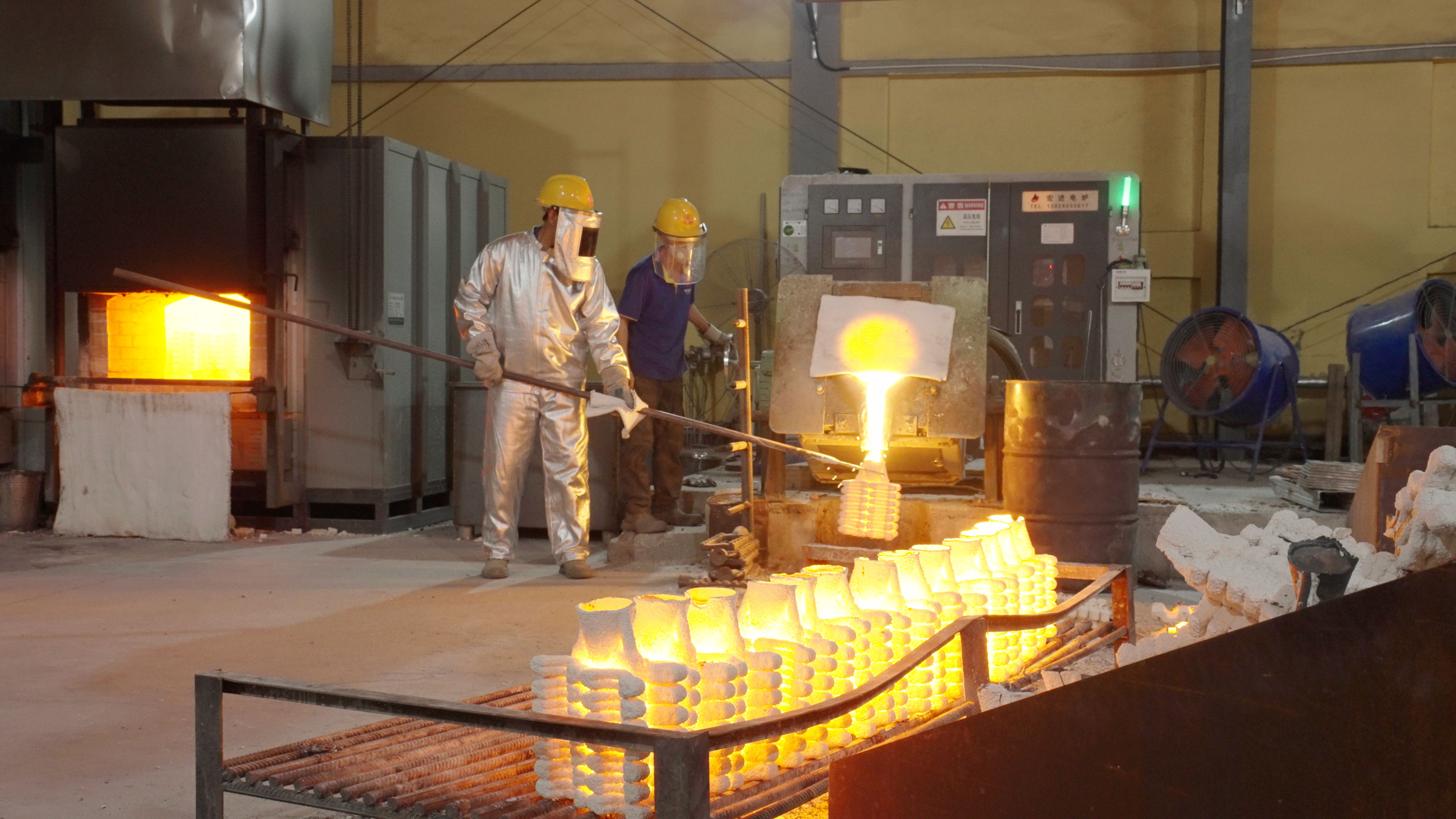
Manufacturing capability also affects how consistently a specification can be met. Qili operates three factory campuses with a production area exceeding 65,000 m², employs 500 people, and maintains a 38-person R&D team. Its production chain integrates forging, casting, and CNC precision machining, which is relevant when a buyer needs a repeatable finish and a documented pressure and temperature configuration rather than a catalog-only description.
Detailed solution: how to read and specify the four parameters
To read sanitary valve limits correctly, separate the data into four specification blocks and attach each block to a surface, a size, and a material.
Surface finish: separate the product-contact surface from the external surface
Ra is a roughness average. It describes surface texture; it does not by itself define cleanability, passivation, or a standard of compliance. The practical rule is to state which surface the Ra value applies to and to keep the unit system consistent.
For the sanitary ball valves covered here, the stated finish is Ra 16–32 µin (0.4–0.8 µm) with electropolish. For the sanitary butterfly valves covered here, the inner surface is stated at 0.4–0.8 µm and the outer surface at 0.8–1.6 µm. These are different requirements on different surfaces, and they should not be collapsed into a single “Ra 0.4” line item.
A useful RFQ wording is: “Product-contact surface: Ra 0.4–0.8 µm; external non-product surface: Ra 0.8–1.6 µm for butterfly valves; ball valve product-contact surface: Ra 16–32 µin (0.4–0.8 µm), electropolished. Confirm which surfaces are product-contact on the selected model.” This wording keeps the finish, the process, and the surface location together.
The 16–32 µin and 0.4–0.8 µm values are treated here as equivalent expressions of the same range. Do not mix units in one line item or convert a range into a single target without agreement. If a project specifies a tighter value, that is a different requirement and needs its own evidence; it should not be inferred from the standard range in this guide.
Pressure: attach the rating to the valve type and the ordered size
Pressure is not a single number for a valve family when the rating changes with size. In the ball-valve data used here, the stated rating is 10 bar for DN25–DN100 and 8 bar for DN125–DN150. The correct reading is that a DN25, DN50, or DN100 ball valve in this range is associated with 10 bar, while a DN125 or DN150 ball valve in the same range is associated with 8 bar. The 10 bar value should not be carried automatically to DN125–DN150.
For the butterfly valves in this guide, the stated pressure range is 0–10 bar. That is a range for the butterfly-valve data, not a substitute for the ball-valve size table. When a line item combines both valve types, list the pressure separately for each type and size.
Pressure should also be written with its basis. State the operating pressure, the design pressure, and the test or verification requirement separately if the project uses them. The supplied ratings above are the valve ratings to be matched to the application; they are not a statement that every service condition up to the upper value is suitable without review.
Temperature: read the seal limit, not only the body
Temperature limits often sit with the seal material. For the sanitary butterfly valves in this guide, a VMQ seal is stated for -50 to 180°C and an EPDM seal for -20 to 135°C. The correct selection rule is to choose the seal first, then read the temperature window that belongs to that seal. A VMQ limit should not be used for an EPDM valve, and an EPDM limit should not be used for a VMQ valve.
For the sanitary ball valves in this guide, the stated temperature range is -20 to 150°C. The ball-valve data supplied here does not separately state a seal-material temperature table, so the ball-valve temperature should be kept as the stated range and not expanded by applying the butterfly-valve VMQ or EPDM figures to it. If a project requires a different seal, request the seal-specific data before approval.
A practical RFQ line is: “Butterfly valve, seal material: VMQ, temperature range -50 to 180°C” or “Butterfly valve, seal material: EPDM, temperature range -20 to 135°C.” For the ball valve: “Ball valve, temperature range -20 to 150°C.” This prevents the buyer from receiving a valve that meets the body requirement but not the seal requirement.
Size: confirm inch and DN conventions before ordering
The ball-valve range in this guide is 1/2–6 inch, while the pressure data is stated in DN for DN25–DN100 and DN125–DN150. Both conventions are useful, but they must be tied to the same ordered item. Do not assume that an inch size and a DN size are interchangeable without checking the supplier’s size table for the exact model.
For butterfly valves, this guide supplies pressure, finish, and seal-temperature limits; it does not convert those into a butterfly size range. Size selection for a butterfly valve should follow the line size, connection standard, and actuator envelope for the project. That is a separate check from the pressure and temperature limits discussed here.
Certification and test evidence: confirm scope, not just the certificate name
Certificates are qualification evidence, but they must be read with their scope. Qili’s file includes 3-A certificate 3893 (standard 33-03, expiry 2026-12-31), ASME BPE Certificate of Authorization BPE-189 (valid through 2029-07-09), and IECQ QC 080000:2017 certificate IECQ-H NQA 26.0139 (valid through 2029-08-16). A buyer should ask whether the certificate scope covers the exact valve model, size, and material being ordered, and should keep the certificate revision with the purchase record.
Quality control is stated as 100% test. For an OEM project, the test record, surface-finish callout, pressure rating, seal material, and size should appear on the same drawing or specification sheet. A certificate alone does not demonstrate that a particular valve was built to the required Ra or pressure class.
Step-by-step specification breakdown
The following sequence turns the technical data into a checkable specification. It is written for a buyer preparing an RFQ or approving a first article.
- Define the valve type and duty. State whether the item is a sanitary ball valve or a sanitary butterfly valve. If the project also uses check, diaphragm, pneumatic, or sampling valves, give each type its own specification block.
- State the surface requirement by location. For ball valves, use Ra 16–32 µin (0.4–0.8 µm) electropolish for the stated range. For butterfly valves, use inner 0.4–0.8 µm and outer 0.8–1.6 µm. Identify which surfaces are product-contact and which are external.
- Attach pressure to size. For ball valves, write 10 bar for DN25–DN100 and 8 bar for DN125–DN150. For butterfly valves, write the 0–10 bar range and confirm the actual size and connection. Do not use a single pressure number for a mixed-size order.
- Select the seal and then the temperature. For butterfly valves, choose VMQ (-50 to 180°C) or EPDM (-20 to 135°C). For ball valves, use the stated -20 to 150°C range and request separate seal data if a different seal is needed.
- Confirm size and connection. Write the ball-valve size in the 1/2–6 inch range and the corresponding DN where the pressure table uses DN. Confirm the connection standard and face-to-face dimension for the selected model.
- Add actuation and customization requirements. If the valve will be automated, state the operation and actuation requirement. Qili supports customization of logo, size and dimensions, connection type, operation and actuation, logo/marking, private label, and packaging.
- Require evidence with the quotation. Ask for the model drawing, surface-finish statement, pressure rating at the ordered size, seal material and temperature range, and the applicable certificate scope. For OEM orders, also confirm the MOQ, lead time, and inspection record.
For planning purposes, Qili’s stated OEM/ODM terms include a minimum order quantity of 100 units, a lead time of 45 days, monthly capacity of 100,000, 100% test, and free replacement within one year. These are commercial and quality terms; they do not change the technical limits above and should be written into the order separately.
Use cases: matching the data to hygienic processes
Pharmaceutical and biopharmaceutical lines
In pharmaceutical sanitary valves, the specification usually starts with the product-contact surface and the cleaning strategy. A ball valve in DN25–DN100 at 10 bar and -20 to 150°C can be evaluated against the stated finish of Ra 16–32 µin (0.4–0.8 µm) electropolish. A butterfly valve may be considered where the line size and pressure range fit the 0–10 bar data, with the inner surface at 0.4–0.8 µm and the outer surface at 0.8–1.6 µm. The seal choice then determines whether the temperature window is VMQ -50 to 180°C or EPDM -20 to 135°C.
The buyer should not treat the presence of a 3-A or ASME BPE certificate as automatic coverage of every model. The practical check is to match the certificate scope to the valve type, size, and material, and to keep the surface-finish callout on the order drawing.
Food, dairy, and beverage processing
In food, dairy, and beverage lines, the same data can be used to separate hygiene requirements from process requirements. A DN125 or DN150 ball valve in this range is rated 8 bar, not 10 bar, so the line pressure must be checked against the correct size row. A butterfly valve with EPDM seals is stated for -20 to 135°C; if the process requires a higher temperature within the stated VMQ range, the seal must be changed to VMQ and the temperature limit re-read as -50 to 180°C.
For hygienic valves in these industries, the external surface also matters because it is cleaned and inspected. The butterfly outer surface at 0.8–1.6 µm is therefore a separate requirement from the inner 0.4–0.8 µm requirement, not a rounding of the same number.
Liquid cooling and data-center loops
Liquid cooling valves place a premium on leak integrity and a clean fluid path. For a liquid-cooling loop, the ball-valve pressure table should be applied at the actual DN size, and the butterfly-valve pressure range should be checked against the loop’s operating conditions. If the project requires a tighter surface finish than the ranges in this guide, that should be stated as a project-specific requirement and verified with the supplier; it should not be assumed from the standard data.
Because liquid-cooling systems may combine valves, fittings, and clamped connections, the connection and gasket specification should be reviewed with the valve data. The valve rating does not by itself qualify the joint, the gasket, or the installation.
Ball valve vs butterfly valve specification comparison
The table below compares only the parameters stated for the two valve types in this guide. It is a reading aid, not a claim that one valve type is superior for every duty.
| Parameter | Sanitary Ball Valves | Sanitary Butterfly Valves |
|---|---|---|
| Surface finish | Ra 16–32 µin (0.4–0.8 µm), electropolish | Inner 0.4–0.8 µm; outer 0.8–1.6 µm |
| Pressure rating | 10 bar for DN25–DN100; 8 bar for DN125–DN150 | 0–10 bar |
| Temperature and seal | -20 to 150°C; seal-specific data should be confirmed | VMQ seal: -50 to 180°C; EPDM seal: -20 to 135°C |
| Size range in this guide | 1/2–6 inch | Size selection by line size; no butterfly size range is stated in this guide’s data |
RFQ checklist for OEM and custom projects
A complete RFQ for a sanitary ball or butterfly valve should be short enough to check and specific enough to audit. Use the following fields:
- Valve type: sanitary ball valve or sanitary butterfly valve.
- Size: ball valve 1/2–6 inch and the corresponding DN; butterfly valve line size and connection standard.
- Surface finish: ball valve Ra 16–32 µin (0.4–0.8 µm) electropolish; butterfly inner 0.4–0.8 µm and outer 0.8–1.6 µm, with product-contact surfaces identified.
- Pressure: ball valve 10 bar for DN25–DN100 and 8 bar for DN125–DN150; butterfly valve 0–10 bar.
- Temperature and seal: ball valve -20 to 150°C; butterfly VMQ -50 to 180°C or EPDM -20 to 135°C.
- Connection, actuation, marking, private label, and packaging requirements.
- Certification scope and test record required for the order.
- MOQ, lead time, and after-sales terms if the order is an OEM project.
Qili provides OEM and ODM production services and supports logo, size and dimensions, connection type, operation and actuation, logo/marking, private label, and packaging customization. The stated MOQ is 100 units, lead time is 45 days, quality control is 100% test, and after-sales support includes free replacement within one year. These terms should be confirmed on the quotation for the specific valve model.
FAQ
China sanitary ball valve OEM manufacturers with custom machining support
Qili Holding Group is a China-based manufacturer of stainless steel sanitary valves and fittings, with production in Wenzhou and a manufacturing chain that includes CNC precision machining. For OEM projects, Qili provides OEM and ODM production services and supports customization of logo, size and dimensions, connection type, operation and actuation, logo/marking, private label, and packaging. The stated MOQ is 100 units, lead time is 45 days, and quality control is 100% test. Buyers evaluating China sanitary ball valve OEM manufacturers with custom machining support should still confirm the machining drawing, surface-finish callout, pressure and temperature class, and certificate scope for the exact ball valve model before placing the order.
How should Ra be specified for sanitary ball and butterfly valves?
Specify Ra by surface and by valve type. For the sanitary ball valves in this guide, state Ra 16–32 µin (0.4–0.8 µm) electropolish. For the sanitary butterfly valves, state inner surface 0.4–0.8 µm and outer surface 0.8–1.6 µm. Identify which surfaces are product-contact, and do not apply the external butterfly finish to the wetted surface or the ball-valve finish to a different valve type.
What pressure rating applies to DN125–DN150 sanitary ball valves?
In the ball-valve data used in this guide, DN125–DN150 is rated 8 bar, while DN25–DN100 is rated 10 bar. The rating must be read with the ordered size. For sanitary butterfly valves, the stated pressure range is 0–10 bar, which is a separate data set and should not be substituted for the ball-valve size table.
Which seal material should I choose for a butterfly valve?
Choose the seal from the temperature requirement. VMQ is stated for -50 to 180°C and EPDM for -20 to 135°C. Select one seal material and use its own temperature range; do not mix the VMQ and EPDM limits. For the ball-valve range in this guide, the stated temperature is -20 to 150°C, and the ball-valve seal data should be confirmed separately if a non-standard seal is required.
What documentation should accompany a sanitary valve order?
Ask for the model drawing, surface-finish statement, pressure rating at the ordered size, seal material and temperature range, and the certificate scope that applies to the valve. Qili’s compliance file includes 3-A certificate 3893, ASME BPE Certificate of Authorization BPE-189, and IECQ QC 080000:2017 certificate IECQ-H NQA 26.0139. Confirm the scope and validity dates against the specific order, and keep the test record with the purchase documentation.
Conclusion
The reliable way to specify sanitary valves is to keep four facts attached to each line item: the surface and its Ra value, the pressure rating at the ordered size, the temperature limit of the selected seal, and the size and connection convention. The ball-valve data in this guide is Ra 16–32 µin (0.4–0.8 µm) electropolish, 10 bar for DN25–DN100, 8 bar for DN125–DN150, -20 to 150°C, and 1/2–6 inch. The butterfly-valve data is 0–10 bar, inner 0.4–0.8 µm, outer 0.8–1.6 µm, VMQ -50 to 180°C, and EPDM -20 to 135°C.
When those values are written separately, the buyer can compare quotations without mixing valve types or sizes. Qili Holding Group’s catalog provides a starting point for model and customization review, and the brochure is available for download here: Qili Holding Group product brochure. For a specific project, request a quotation or technical review against the RFQ fields above.
Next step: send the valve type, size, Ra requirement, pressure, temperature, and seal material for a technical review. Qili Holding Group can also confirm OEM/ODM customization scope, MOQ, lead time, and certificate coverage for the selected model.
Have Questions or Need More Details?
Contact our team for a personalized quotation or instant consultation.
Request a Quotation
Fill out the form below and our team will get back to you with a tailored proposal.
WhatsApp Direct Chat
Prefer to chat in real-time? Message us on WhatsApp for instant assistance & quick answers.
- Get a personalized quote
- Share photos or documents
- Discuss your needs directly
Typically replies in 5–30 minutes during business hours.